
Images
Videos
Apexfold Series
Description
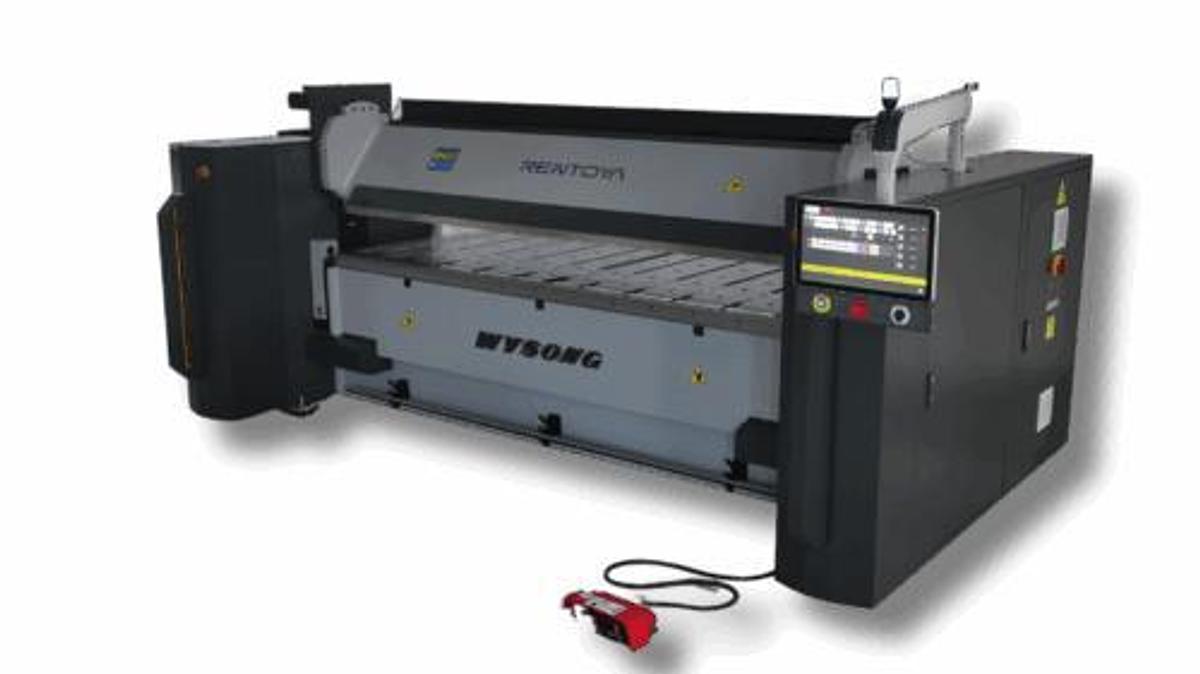
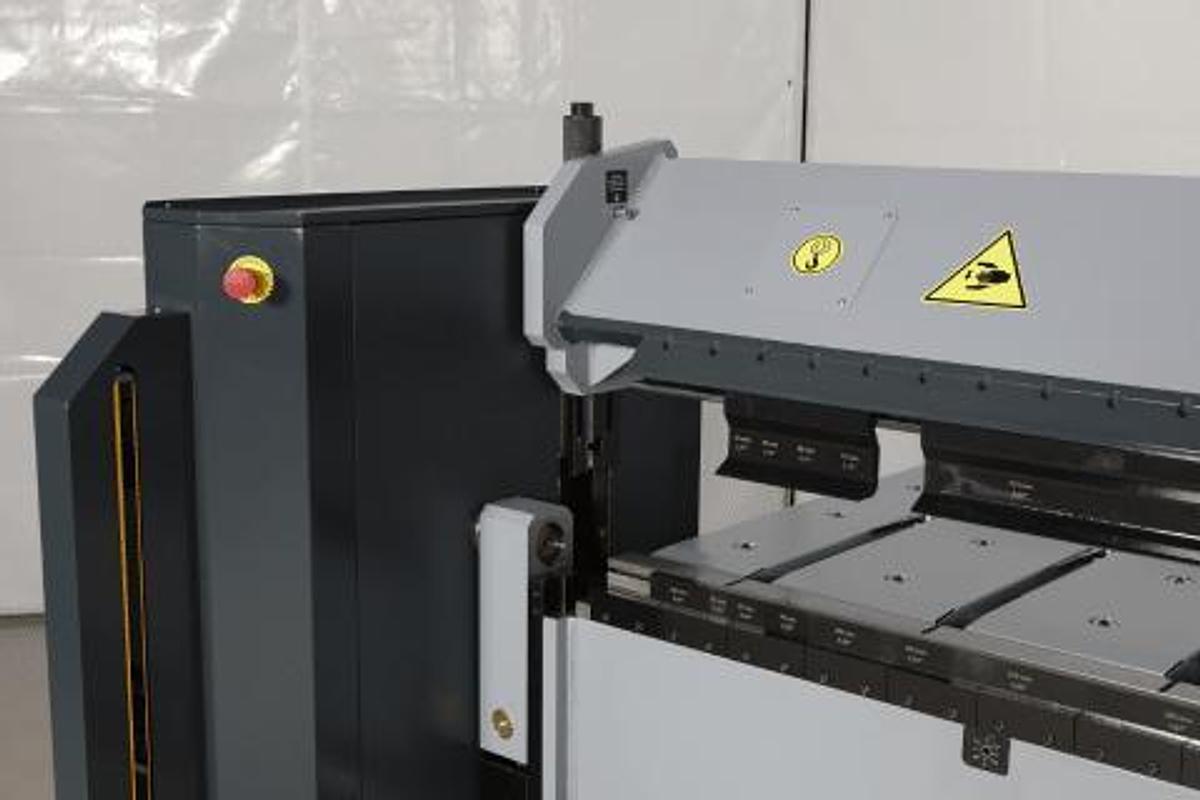
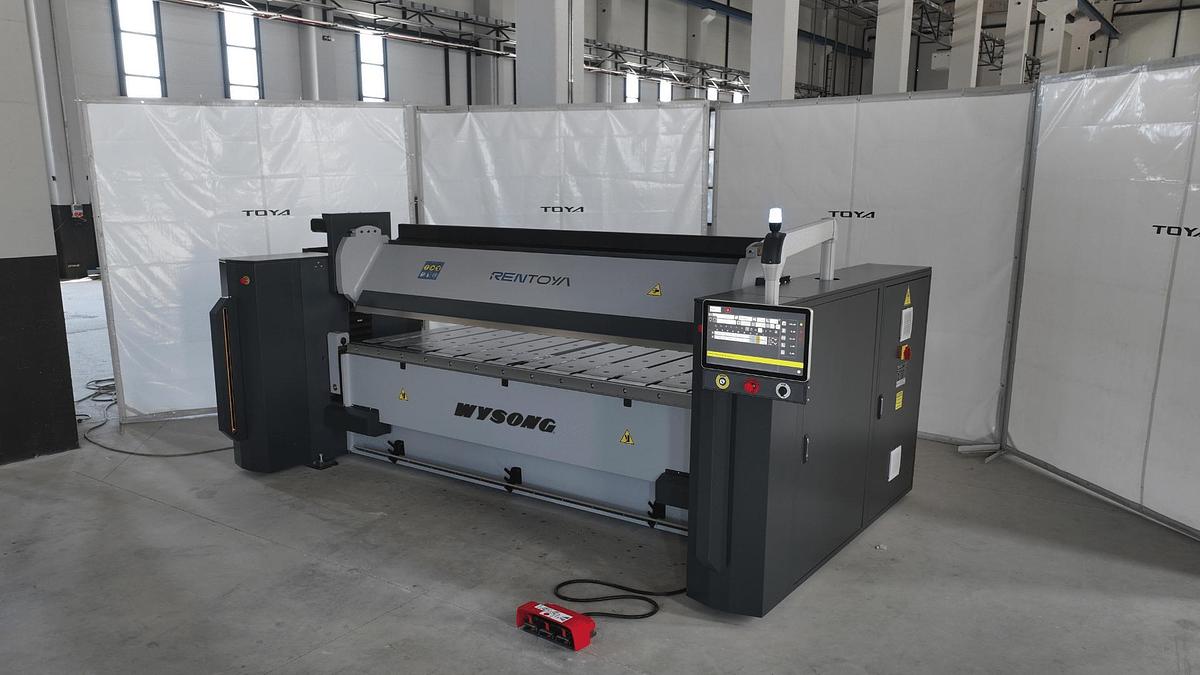
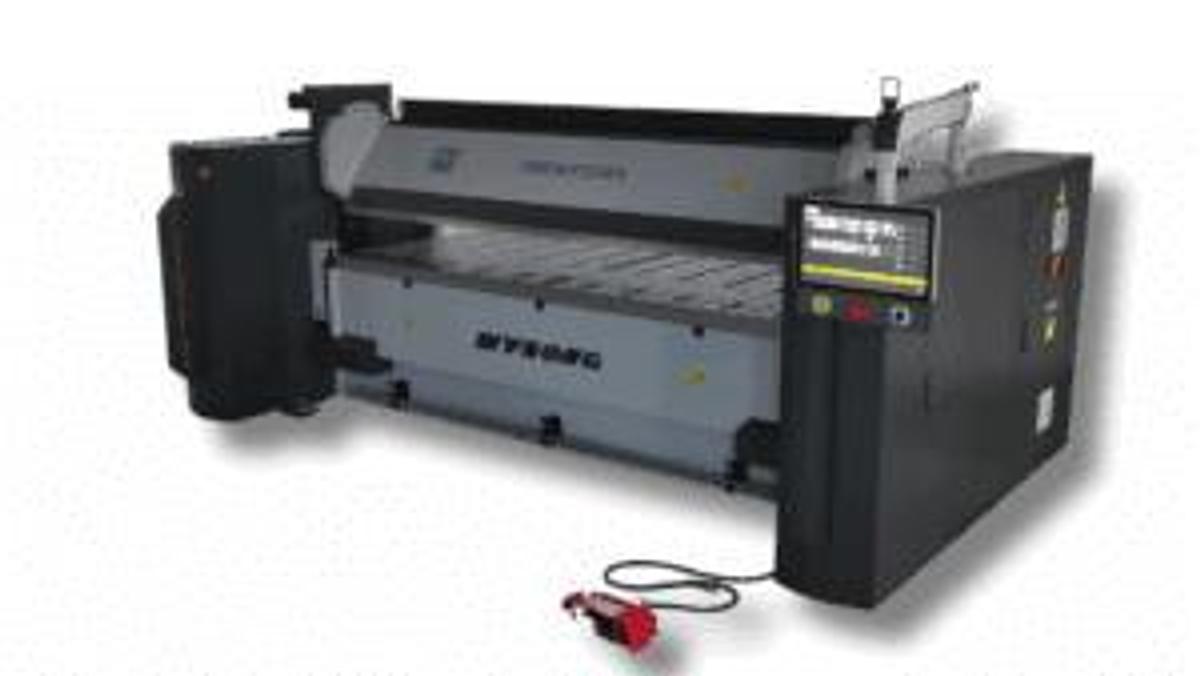
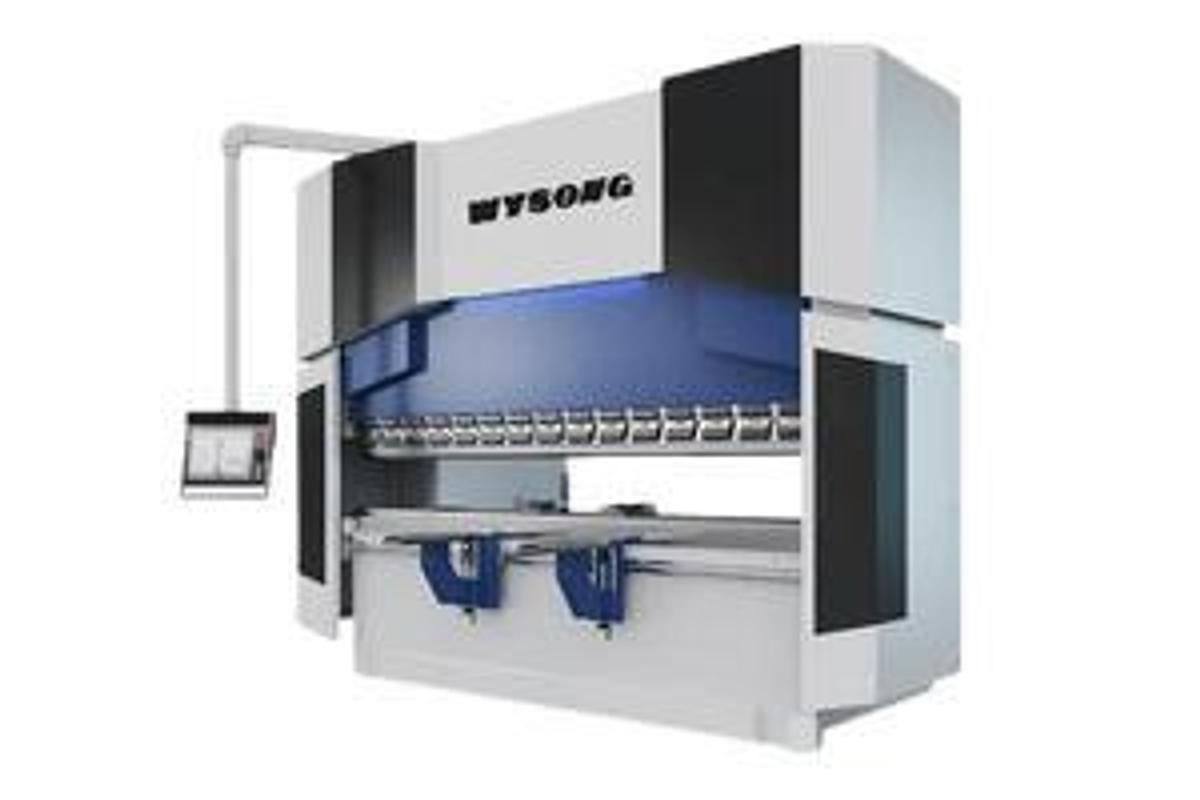
WYSONG Apexfold CNC FOLDERS
Heavy Duty Precision - up to 9 ga capacity
Wysong CNC folders are designed for fabricators seeking to automate their production with precision, speed, and user-friendly operation. Engineered for efficiency, our equipment features advanced CNC controls that simplify programming, minimize setup time, and reduce the need for frequent tool changes—making them ideal for a wide range of materials and thicknesses.
With automated bending capabilities up to 145 degrees, integrated material clamping, and robust support systems, Wysong folders help shops boost productivity without compromising quality.
OVERVIEW
Standard Features
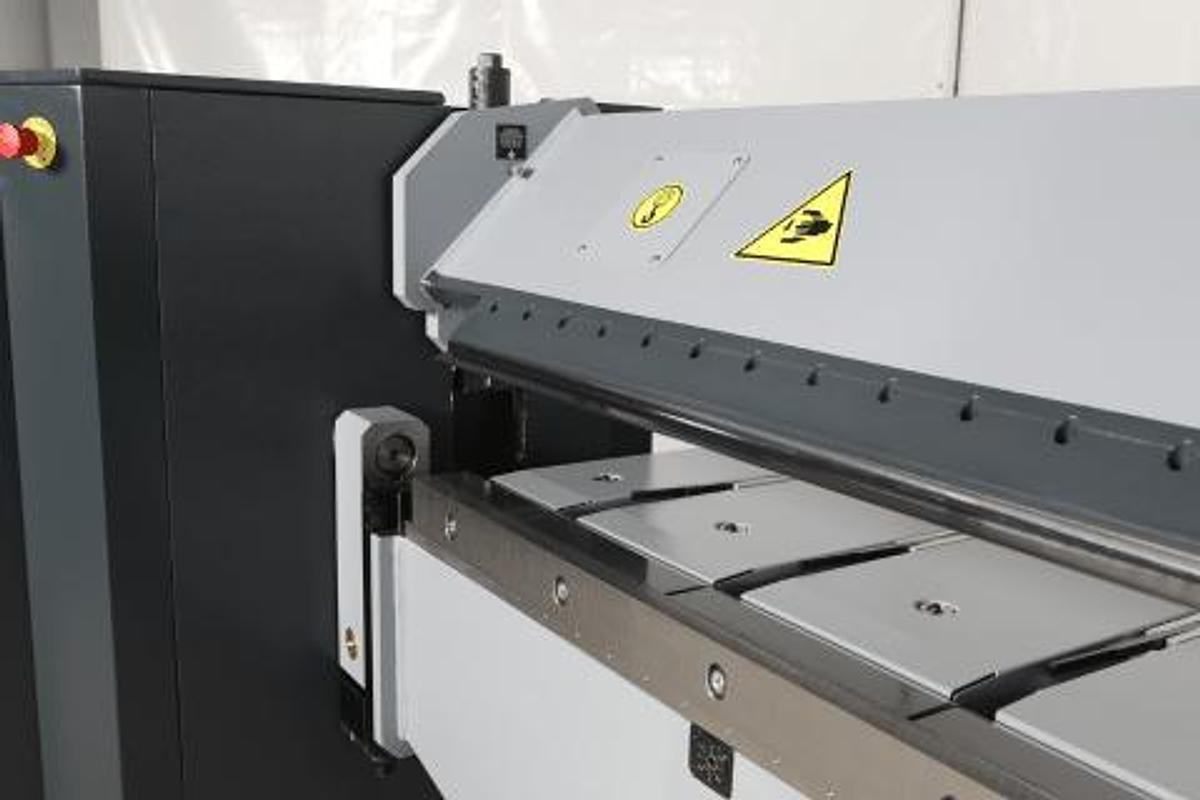
- Servo driven clamping and back gauge ( Z and X axis)
- High torque AC motorized folding and beam rotation ( Y and C axis)
- Ball screw spindle system with dual motor drives on clamping and folding
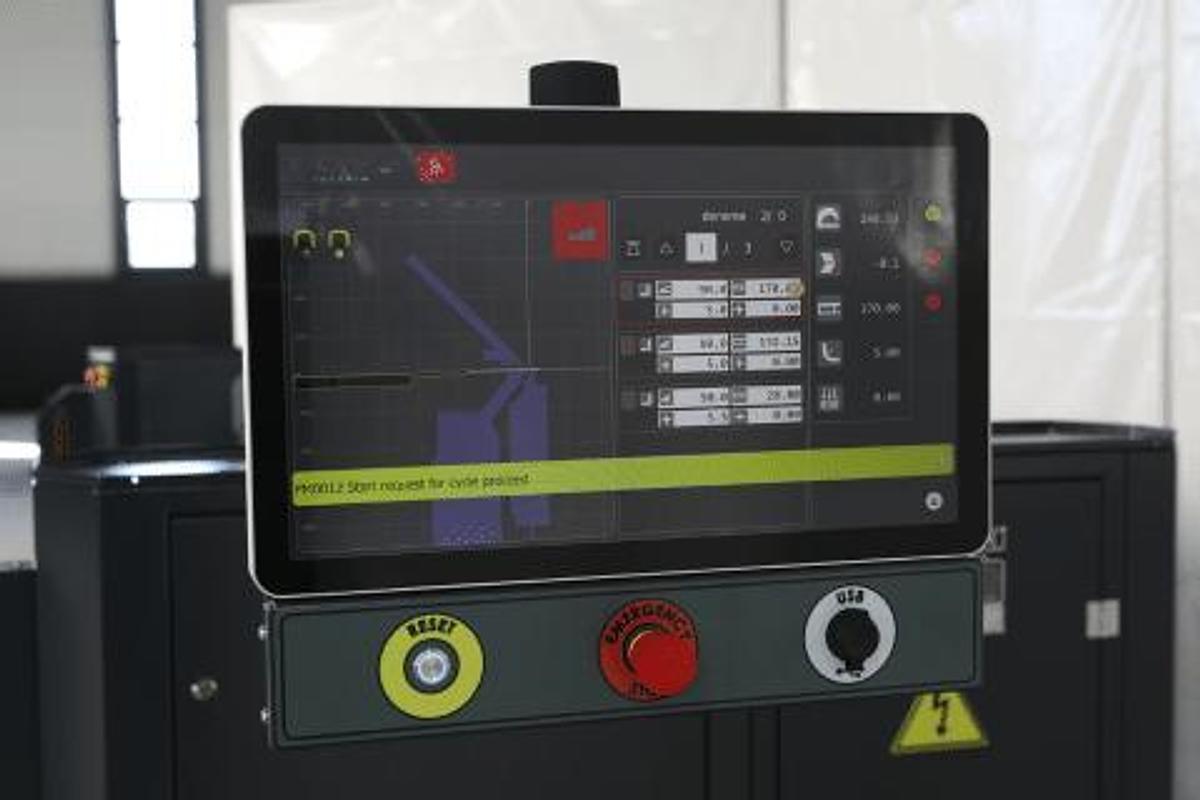
- 15.6’’ ESA touchscreen controller on swivel arm
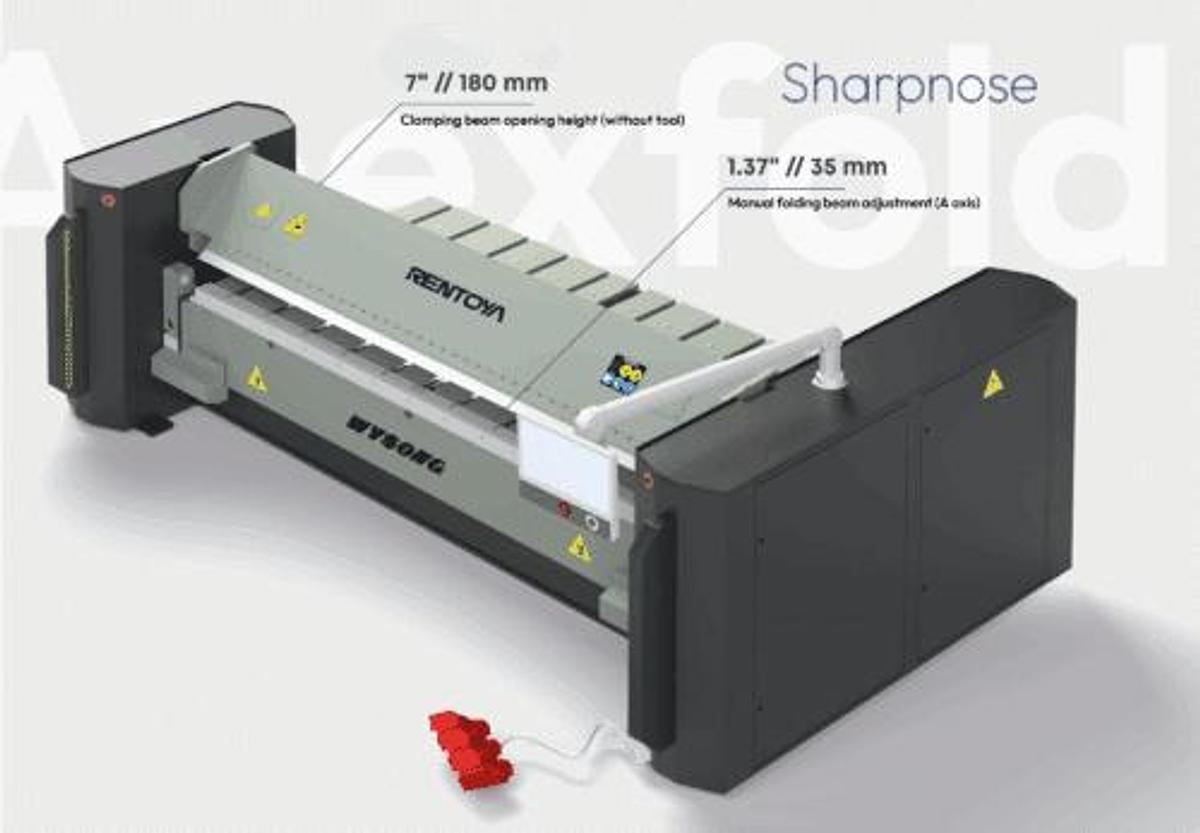
- 7″ Clamping beam opening height (without tools)
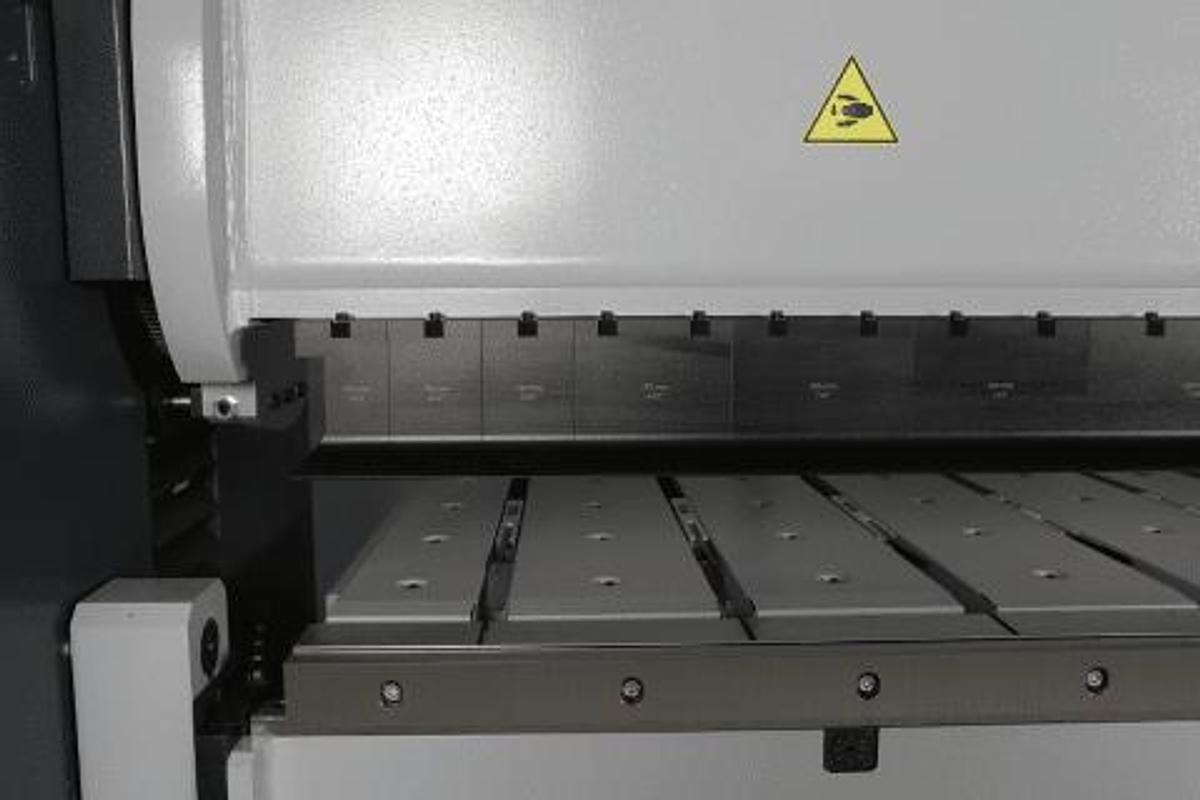
- 5″ high goat foot tools on station 1
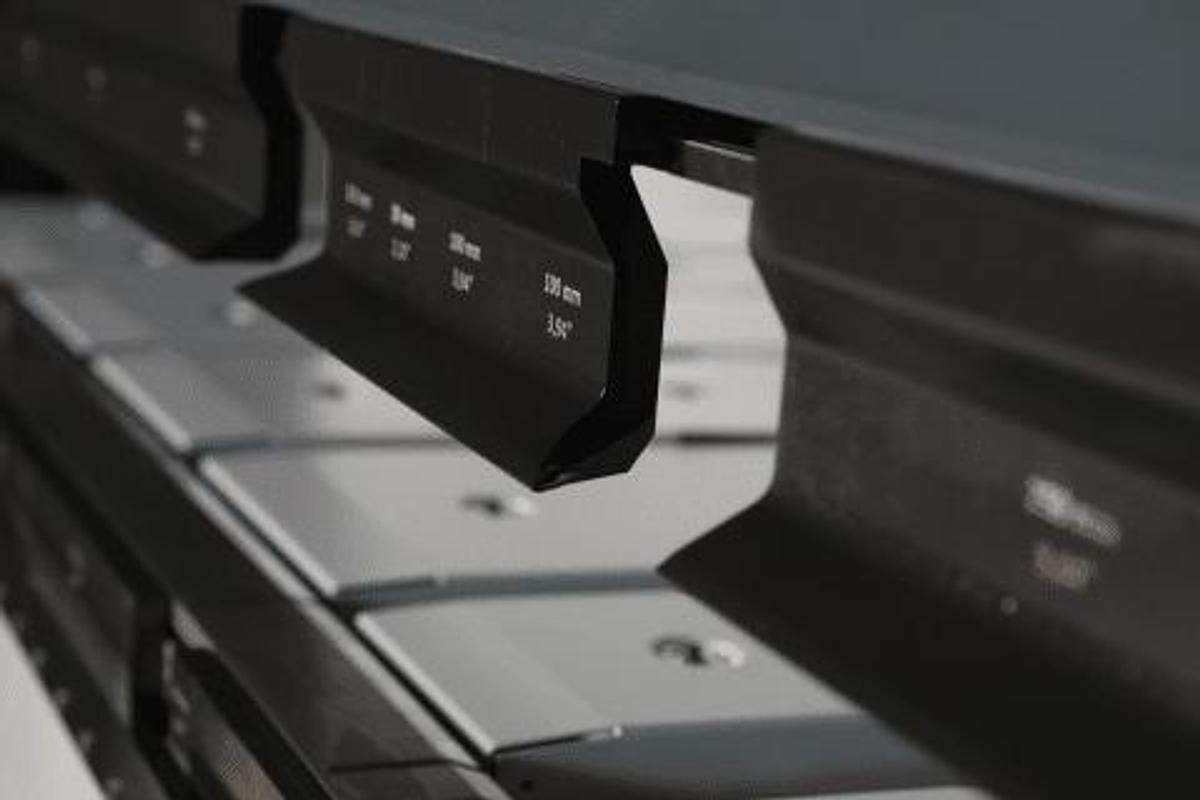
- 30° – R1 sharp nose clamping beam tools on station 2
- Folding beam tools as 10 or 15 or 25 and 35 mm (2 sets)
- Manual folding beam adjustment 35 mm (A axis)
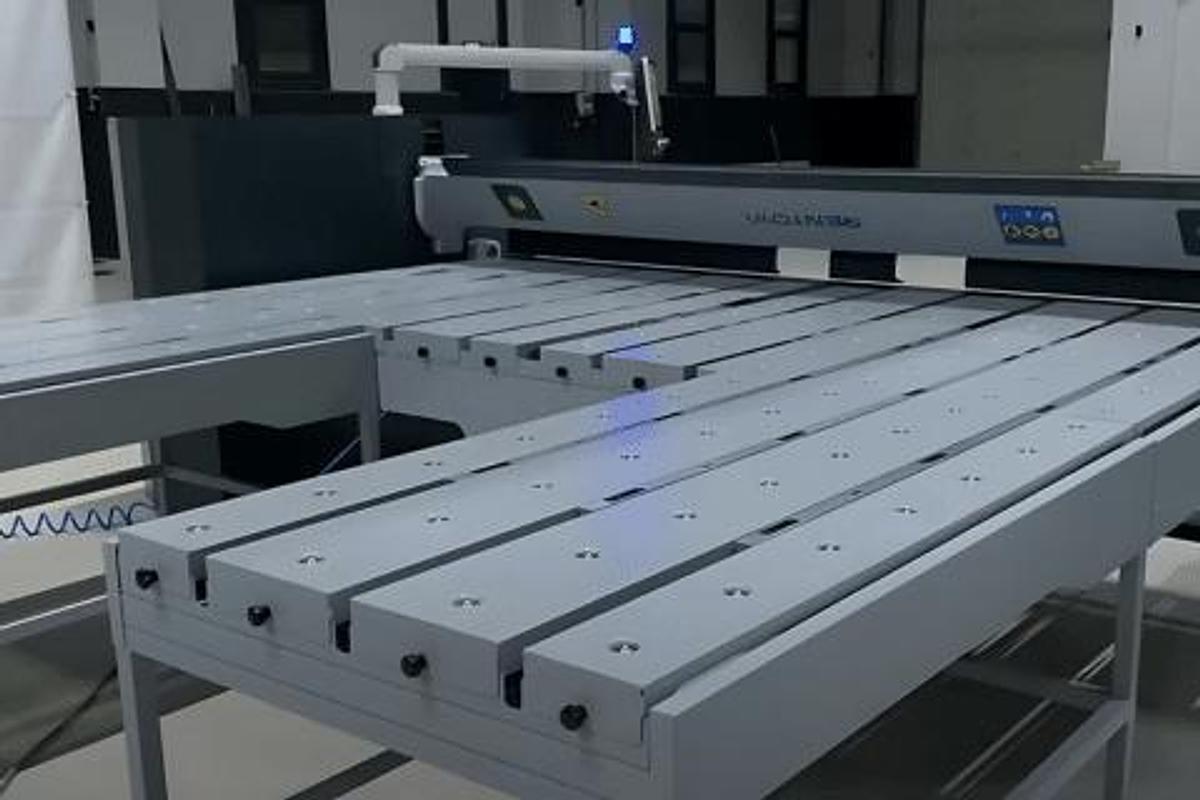
- 30″ rectangular back gauge table with ball casters
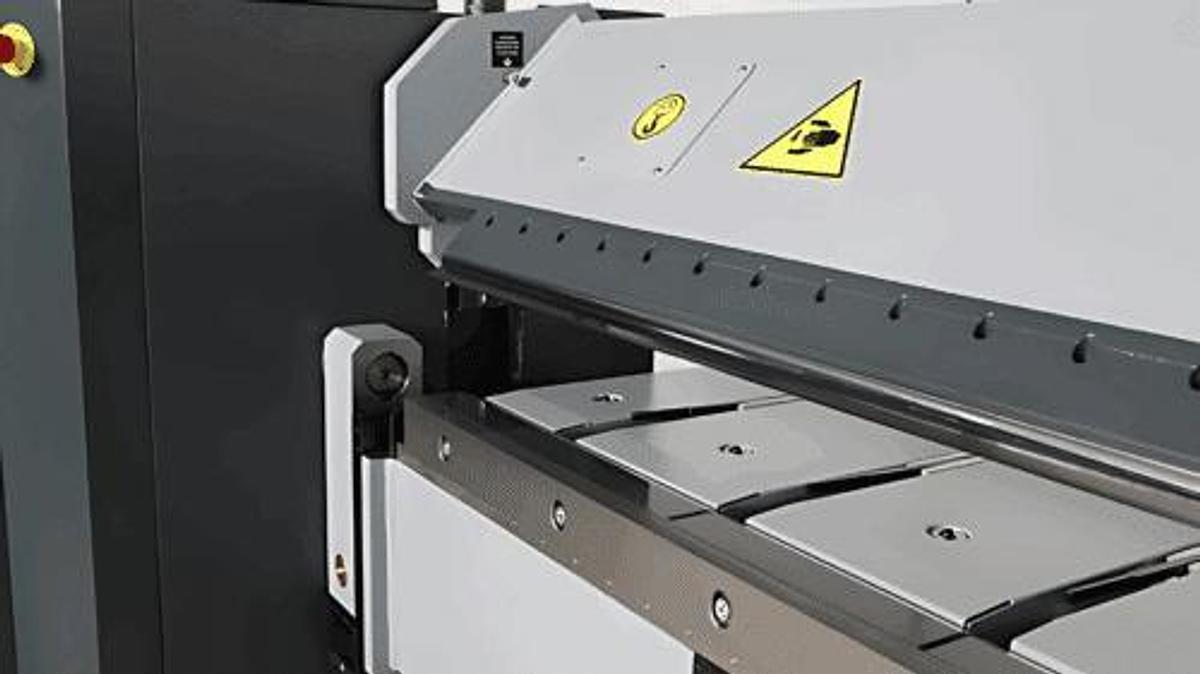
- Front light barriers
- 3 switch foot pedal
Optional Features
- 1500 mm or 1000 mm servo backgauge system with rectangular sheet support table.
- 2500 / 3200 / 4200 mm servo backgauge system upgrade with L / U shape sheet support table options.
- 2D/3D CNC Graphic Control Software.
- Manual crowning system.
- Servo folding beam adjustment.
- Omega geometry upgrade on lower and folding beam.
- Manual conical backgauge finger.
- Motorized conical backgauge system.
- Pneumatic goat foot tool quick clamping system.
Apexfold Series
Apexfold 2050
Folding Length: 80" // 2050 mm
Mild Steel: 6 ga // 5 mm
Stainless: 13 ga // 2.5 mm
Aluminum: 1/4" // 7 mm
Apexfold 2545
Folding Length: 100" // 2550 mm
Mild Steel: 7 ga // 4.5 mm
Stainless: 13 ga // 2.5 mm
Aluminum: .236" // 6 mm
Apexfold 3240
Folding Length: 126" // 3200 mm
Mild Steel: 9 ga // 4 mm
Stainless: 15 ga // 2 mm
Aluminum: 6 ga // 5 mm
Apexfold 4230
Folding Length: 165" // 4200 mm
Mild Steel: 11 ga // 3 mm
Stainless: 17 ga // 1.5 mm
Aluminum: 9 ga // 4 mm
Options:
Rear Table Design
While the folding beam performs the actual bend, the table shape determines how the operator or automation system interacts with the material. Choosing the right table layout depends on your part sizes, bend sequences, and overall workflow.
Rectangular tables are the most common configuration and are well-suited for standard sheet sizes and general-purpose bending.
U-shaped tables provide enhanced support for long or wide parts and are designed to keep material centered around the folding beam. This configuration is particularly useful when forming large panels, such as those used in architectural cladding, HVAC ducting, or enclosure fabrication.
L-shaped tables are designed for flexibility in handling irregularly shaped or asymmetrical parts. This layout provides extended support on one side, which can be especially helpful when forming boxes, cabinets, or parts with off-center features.
Upper Beam Options
The upper beam on a CNC folder is responsible for clamping the material during the bending process and plays a key role in the machine’s flexibility, accuracy, and tooling versatility.
Stationary upper beams are simple, robust, and highly repeatable, making them ideal for high-volume, low-variation production environments. Because the tooling does not rotate, setup and operation are straightforward, and there’s less risk of mechanical misalignment over time. However, stationary beams are limited in their ability to accommodate complex part geometries or return bends that require clearance for formed flanges.
Rotary upper beams feature a clamping head that can rotate between two different tooling profiles, allowing the machine to switch between tools without manual changeover. Rotary beams are ideal for high-mix production and parts that include return flanges or deep box profiles, as they provide the necessary clearance without interrupting the bending cycle.
Upper Beam Height
The height of the upper beam on a CNC folder significantly influences the machine’s ability to form deep parts, handle complex bend sequences, and reduce interference between previously bent flanges and the tooling.
Standard-height upper beams are typically sufficient for flat parts or those with minimal vertical features. For simple U-channels, shallow boxes, and single-flange bends, a standard beam height provides ample clearance while maintaining rigidity and accuracy.
Extended-height upper beams, often referred to as high-opening or high-lift beams, are designed to accommodate taller part geometries and more complex forms. With increased vertical travel, the upper beam can raise higher above the work surface, allowing operators to manipulate deep boxes or multi-sided parts without interference. This feature is especially beneficial when working with large electrical enclosures, HVAC ducting, and architectural panels that require multiple bends in close succession. High-opening beams also simplify part rotation during the bend sequence, reducing the chance of collisions.
Improve Your Workflow with CNC Folding Machines
Designed to outperform traditional press brakes in specific applications, cnc folders excel at complex bends, large panels, and short flanges, while delivering repeatable accuracy and dramatically reducing operator fatigue.
Why Use CNC Folders?
- Improves Accuracy – Automated folding delivers exact bend angles and dimensions with repeatable precision
- Handles Complex Parts Easily – Produce box shapes, tight hems, and return bends without repositioning
- Speeds Up Production – Rapid setup and automatic bending sequences reduce cycle time and boost throughput
- Eliminates Double Handling – Complex bend sequences can be programmed into a single operation with no flipping or rotating
- Improves Ergonomics – Operators don’t need to support or manipulate heavy sheet metal during forming
- Simplifies Tooling – One set of folding tools replaces multiple press brake punches and dies
Specifications
| Manufacturer | Wysong |
| Condition | New |
| Models | Apexfold Series |